
AI Synthetic Patient — Demonstration Video
Welcome to our AI synthetic patient—an innovative educational technology used within accredited CME/CE activities to support practice-based learning. The synthetic patient serves as a supplemental tool that helps clinicians strengthen real-world communication skills through lifelike, bidirectional conversation in a safe, simulated clinical environment.
About This Demonstration
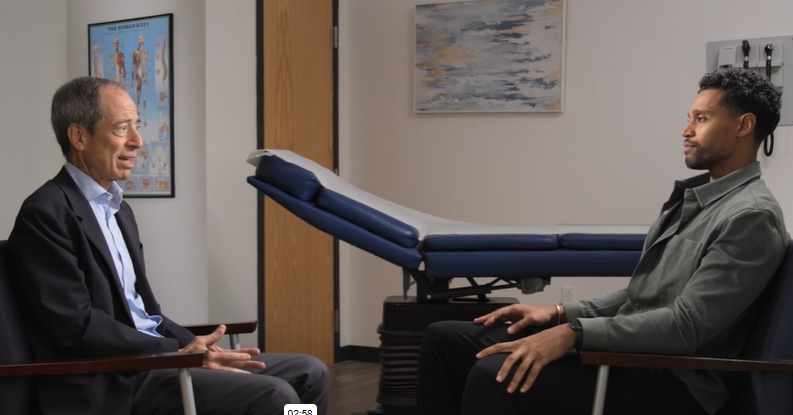
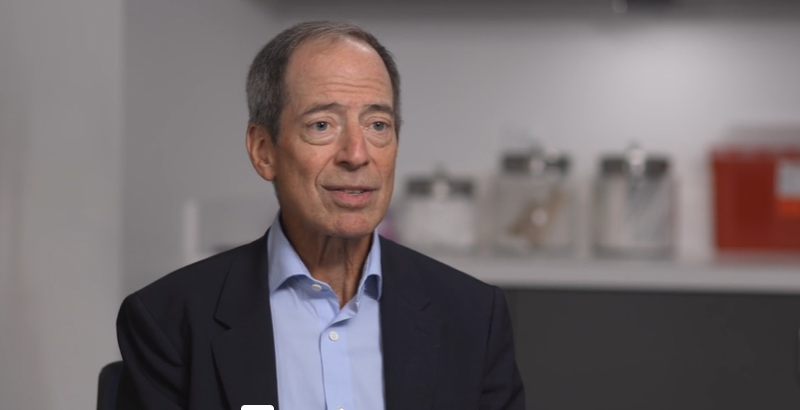
This video shows a recorded demonstration of a clinician interacting with our AI synthetic patient, Danny, as part of an accredited CME/CE activity focused on delivering an HIV diagnosis. The synthetic patient itself is not accredited and is used as a supplemental learning tool within a broader educational initiative.
Learner Experience
The AI synthetic patient is a practice-based learning component, not a standalone activity. Learners first complete an accredited educational activity that includes a demonstration of best practices for evidence-based communication. Following the activity, learners may be invited to engage with the AI synthetic patient to practice the communication skills that were demonstrated. Participation is voluntary and requires informed consent. The AI synthetic patient does not provide clinical advice, diagnoses, or treatment recommendations.
Key Capabilities of the Synthetic Patient
- Unscripted dialogue
- Dynamic patient personas
- Contextual realism
- Structured data capture
- Rapid scalability
- Human oversight
Frequently Asked Questions
For this demonstration, the AI synthetic patient, “Danny,” is used in connection with an accredited educational activity focused on HIV diagnosis and communication. Learners first complete the accredited activity, which includes a faculty-led demonstration with a standardized patient. Following completion, learners may optionally engage with the AI synthetic patient to practice the communication skills and approaches that were demonstrated. This experience supports the application of learning rather than replacing formal instruction.
More broadly, AI synthetic patient experiences may be customized based on educational needs and goals and may be deployed with or without an accredited activity. “Danny” represents one example of how this technology can be used.
Each learner’s conversation generates structured data that supports outcomes assessment and educational improvement, including:
- Conversation transcripts capturing the full clinician learner–synthetic patient dialogue
- Perception and communication analysis, such as empathy, non-stigmatizing language, and non-biased body language
- Thematic insights that help identify common strengths, gaps, and learning patterns across participants will be analyzed in aggregate and used to inform outcomes reporting, educational refinement, and future program design
Explore the CME/CE Activities Associated With Danny

Contact Information
For questions or more information on the AI synthetic patient, please contact Eric VanStone at evanstone@talemhealth.com or Tariqa Ackbarali at tackbarali@talemhealth.com.